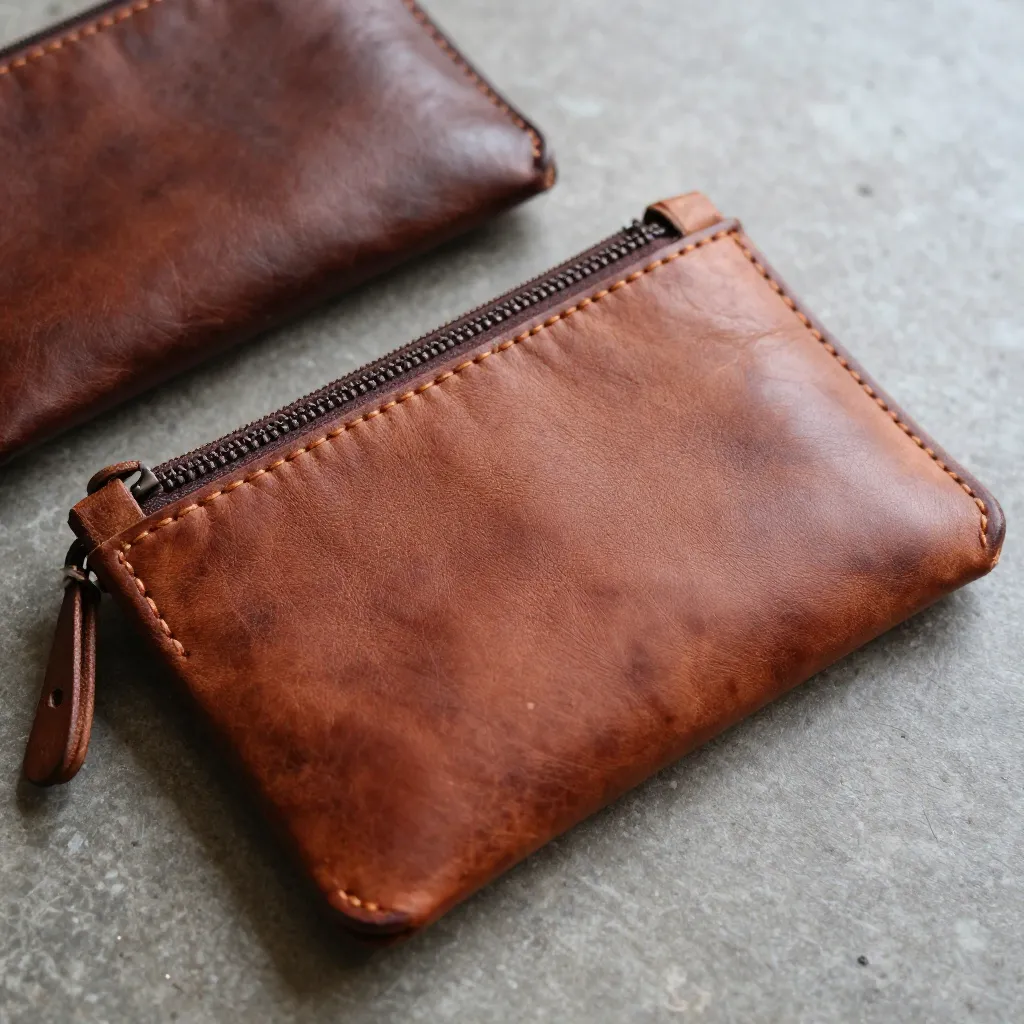
Digital Simulation
Leather develops character through use. This simulation shows how a keychain might appear at different stages of its life, from fresh creation to well-worn companion.
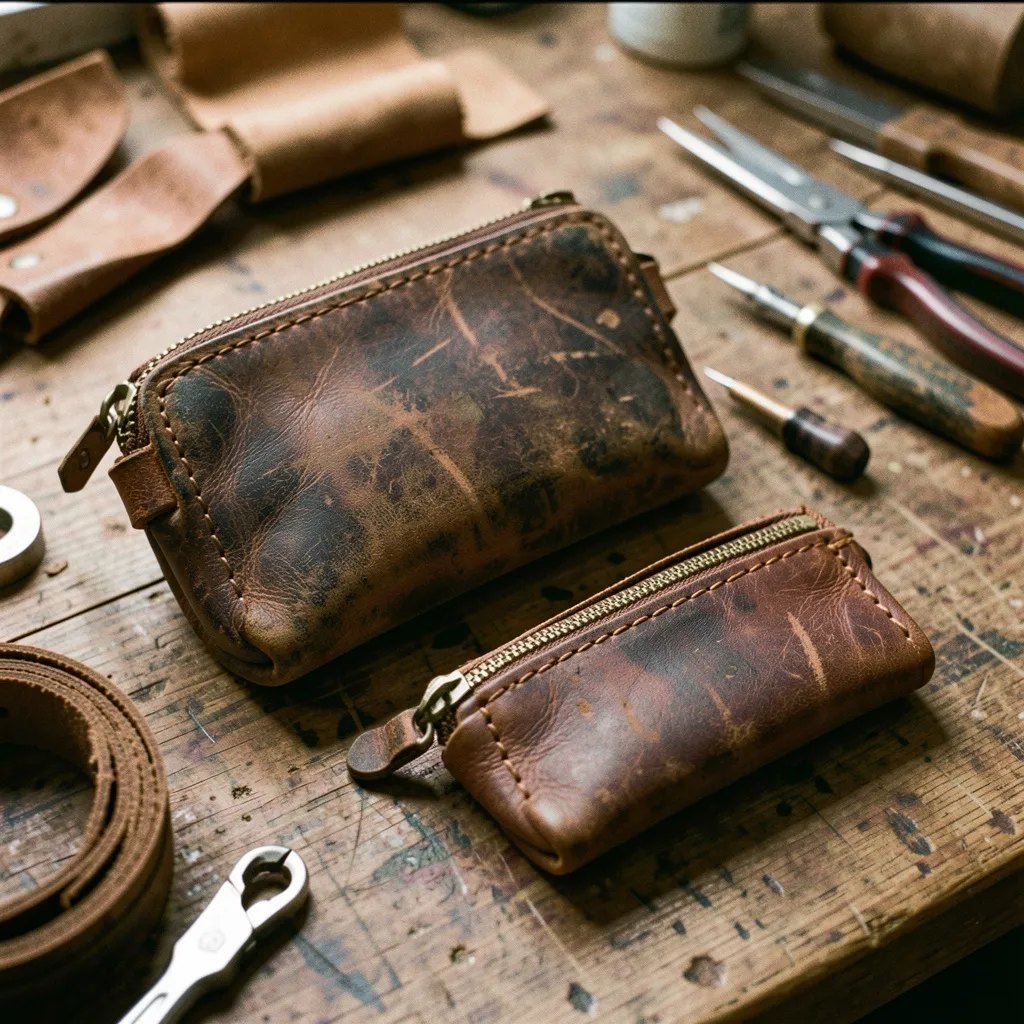
Day 1
Fresh from the workshop
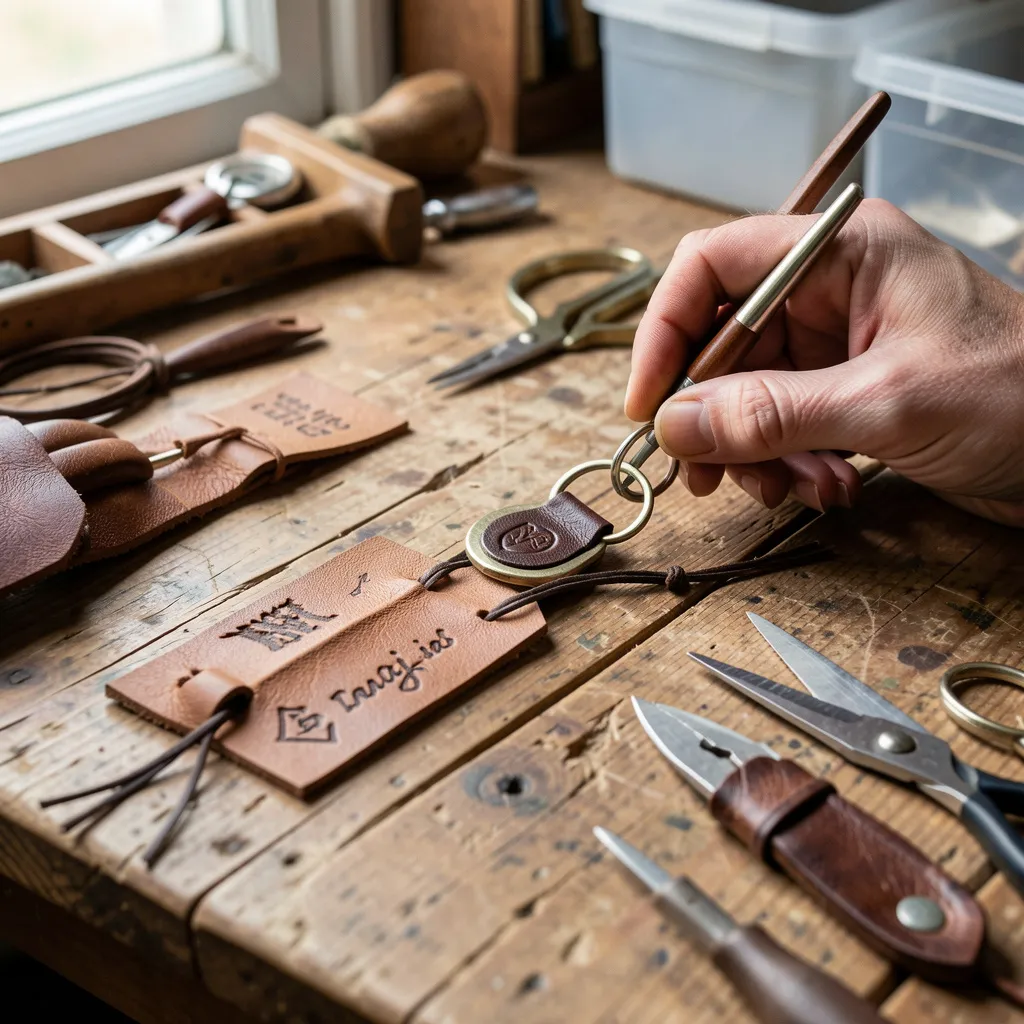
Day 100
Early signs of character
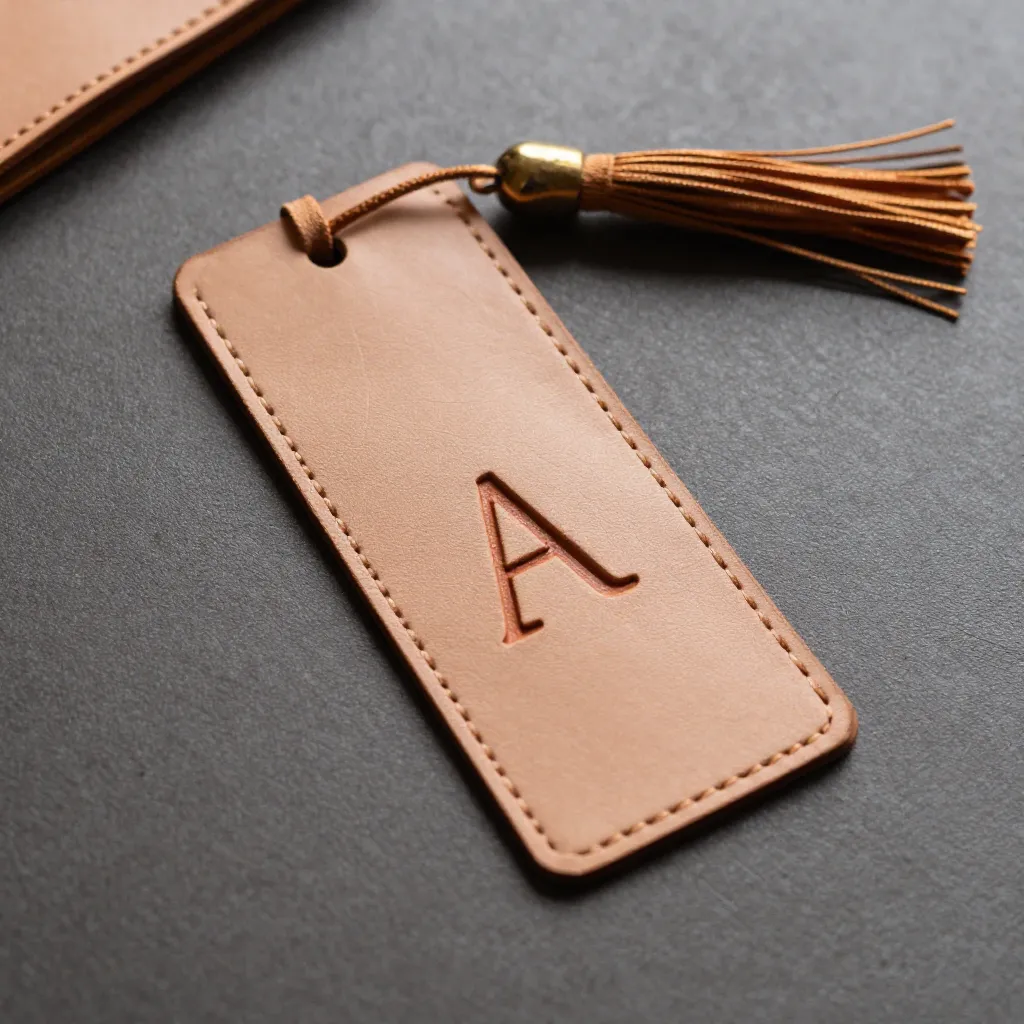
Day 500
Rich color development
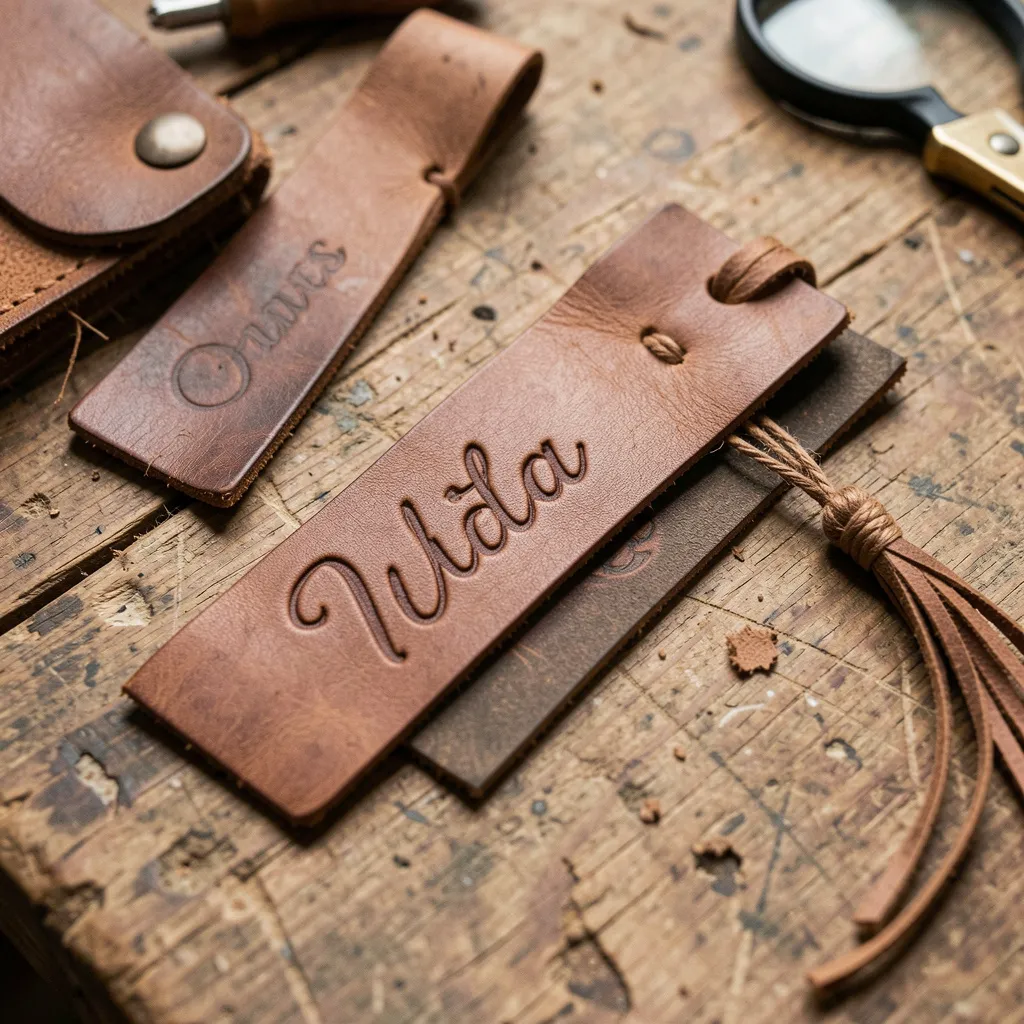
Day 1000
Fully developed character
Understanding Patina
The Aging Process
Patina refers to the natural changes that occur in leather over time. These changes include color darkening, surface texture evolution, and the development of wear patterns that reflect how the item is used.
Unlike synthetic materials that degrade with use, leather becomes more interesting as it ages. Each scratch, crease, and color change tells part of the item's story.
Factors Affecting Development
- Frequency and type of use
- Exposure to light and air
- Contact with skin oils
- Environmental conditions
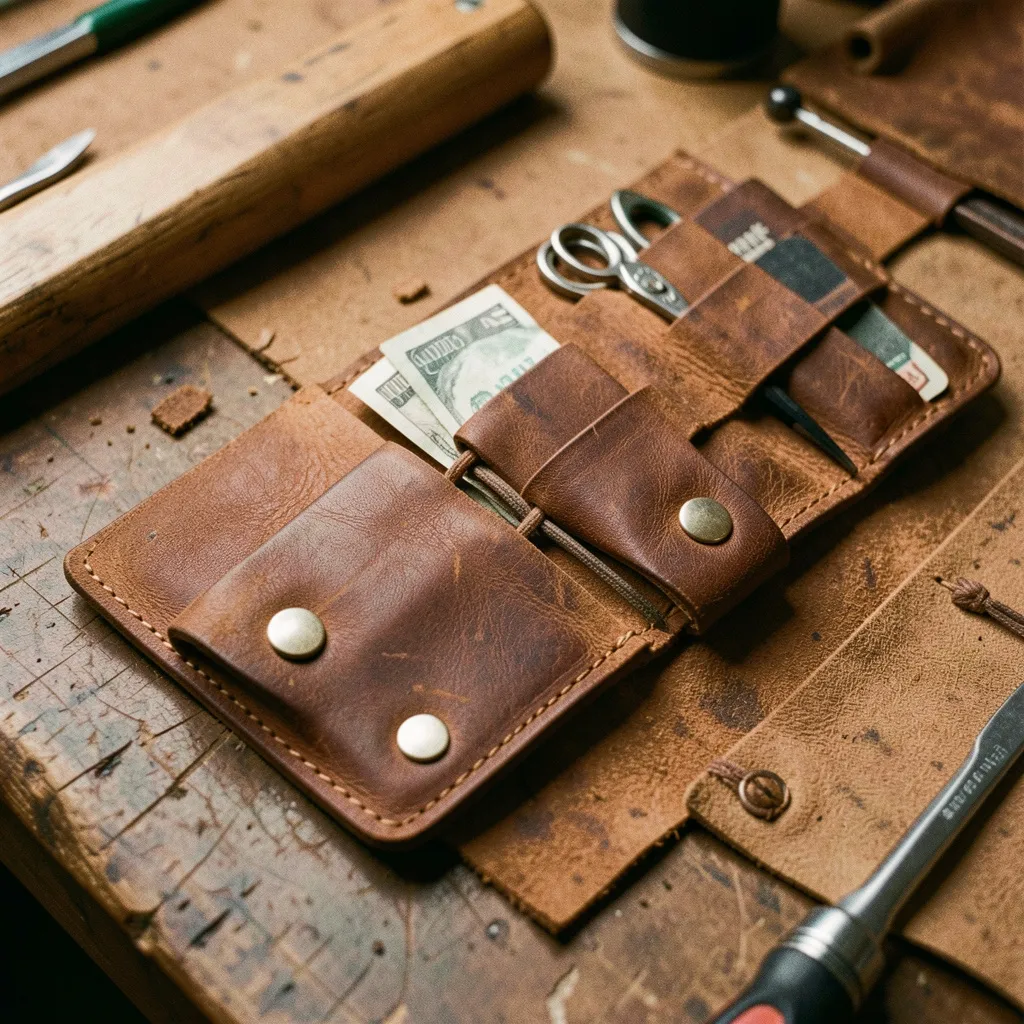
The Soul of Material
Unique Character
No two pieces of leather age exactly the same way. Natural variations in the hide, combined with individual usage patterns, create truly unique items.
Visual History
Wear patterns show where hands have gripped, where items have rubbed, and how the piece has been carried or stored over time.
Emotional Connection
As leather ages, it becomes more than just a functional item. It becomes a companion that reflects experiences and memories.
Care and Maintenance
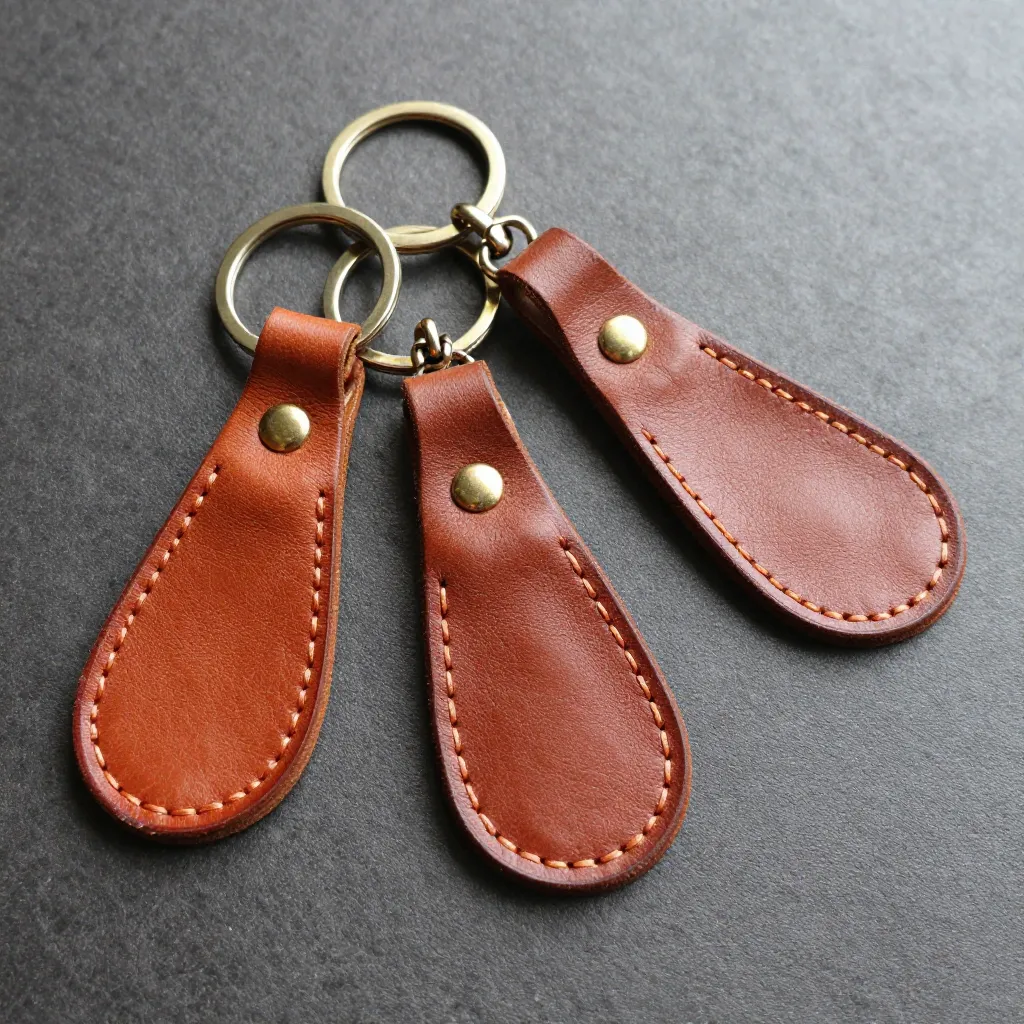
Preserving While Aging
Proper care allows leather to develop patina while maintaining its structural integrity. Regular cleaning removes dirt that can accelerate wear in undesirable ways.
Conditioning helps maintain the leather's flexibility and prevents cracking. However, over-conditioning can slow the natural patina development process.
Balancing Act
The goal is to allow natural aging while preventing damage that would shorten the item's useful life. This balance varies depending on the type of leather and intended use.